Fitting out a mountain chalet: creating an exceptional retreat combining nature and design
Reading time — 6 minutes
Fitting out a mountain chalet is much more than just a quest for comfort. It’s an art of living, a blend of Alpine authenticity, contemporary architecture and the highest standards of refinement. Whether you’re buying a chalet for conversion or designing a bespoke holiday home, it all starts with a careful consideration of volumes, materials and light.
FGP Swiss & Alps invites you to explore the codes of mountain chalet design, combining heritage, modernity and emotion.
The main principles of successful chalet design
Respecting the soul of the place
Every mountain chalet tells a story. Before undertaking any renovation work, it’s essential to understand the topography, exposure and original materials.
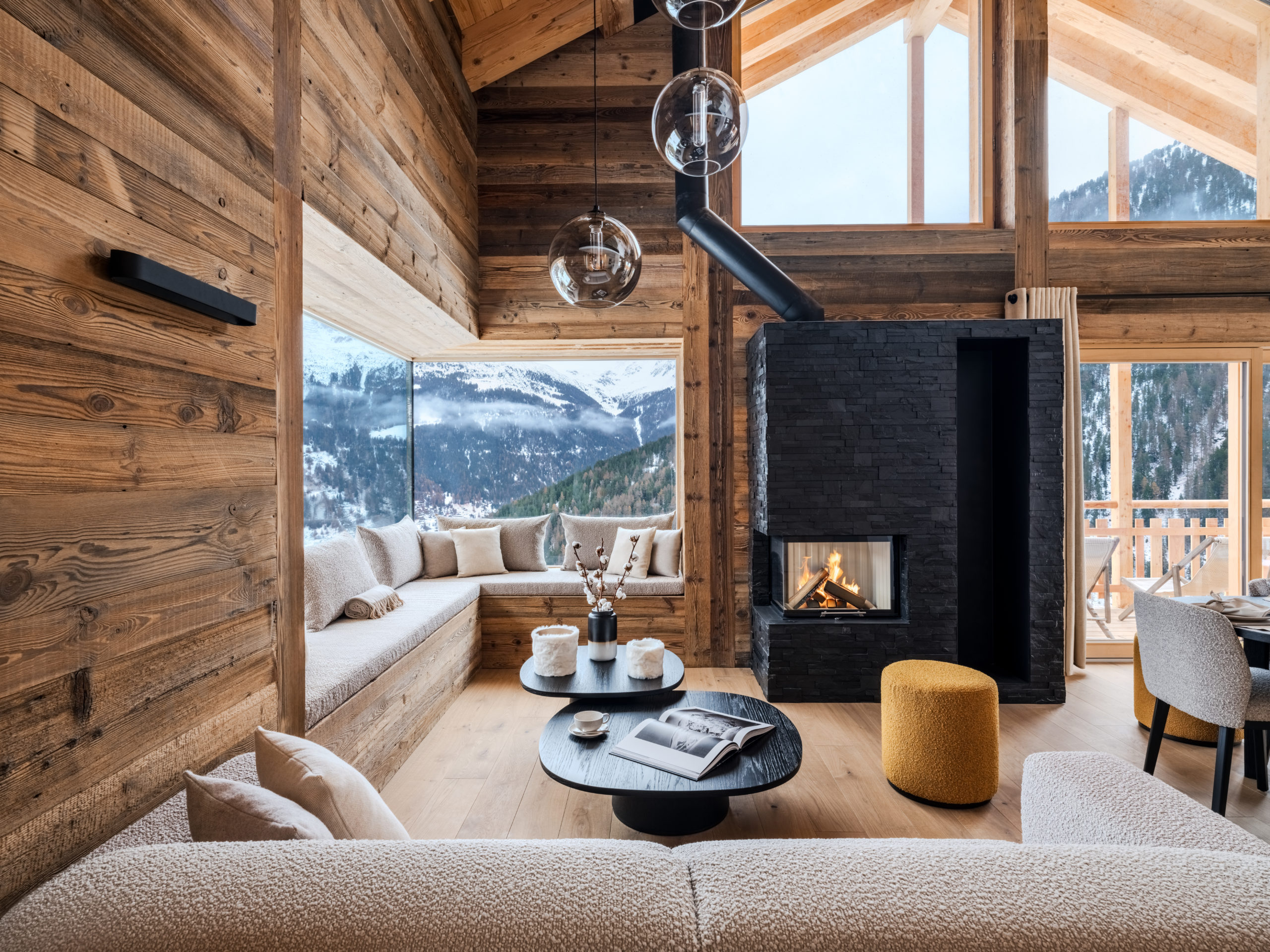
Rough timber, dressed stone, exposed beams and pitched roofs are all part of this Alpine identity. The aim is not to erase it, but to sublimate it by integrating contemporary elements: large windows, open spaces, clean lines.
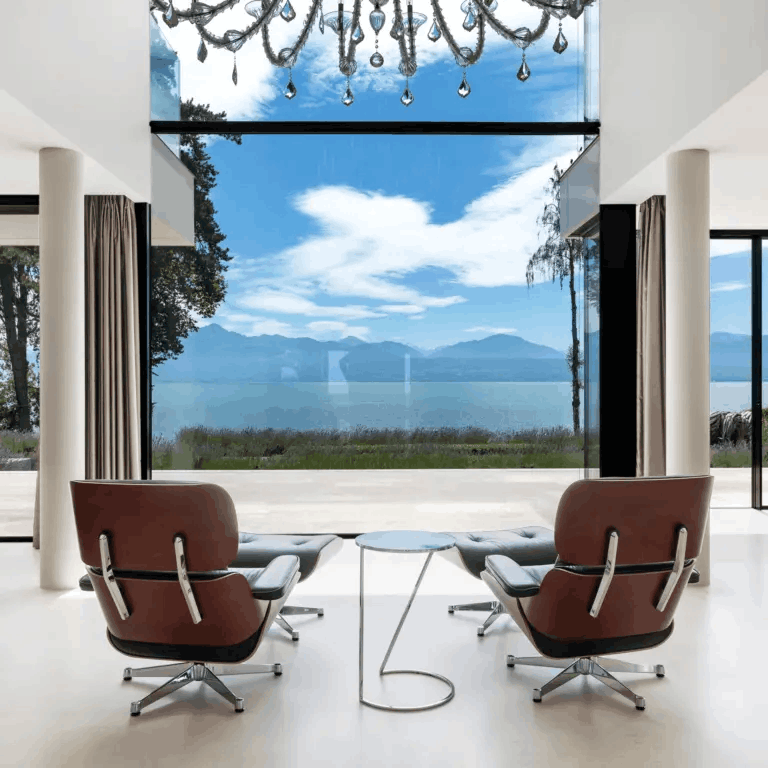
Making the most of natural light
One of the major challenges in mountain development is light. Winter days are shorter, and sunshine varies according to the slope.
Architects therefore favour panoramic bay windows, dormer windows and skylights to bring the landscape into the house.
Artificial lighting is designed to prolong this warm atmosphere, with spotlights set into the wood, warm accent lights and sculptural pendant lights above the living areas.
Creating harmony between comfort and functionality
A mountain chalet should be both a cosy refuge and a welcoming place for family and friends. The interior layout should make it easy to move around, allow for storage (ski room, changing rooms, laundry room), and use materials that are easy to maintain.
Every square metre counts: mezzanines, sloping ceilings and reading areas are just some of the ways you can enrich the life of your chalet.
Emblematic materials for mountain landscaping
Wood: warmth and authenticity
Wood is the central material of every chalet. Spruce, larch or oak each contribute their own tone and texture.
- Spruce: light and bright, ideal for Scandinavian interiors.
- Larch: darker and more resistant, perfect for exposed facades.
- Oak: noble and timeless, it goes well with stone or metal.
Modern finishes – brushed, burnt or oiled wood – allow you to create a contemporary ambience without losing any of the mountain charm.
Stone: anchoring and character
Granite, slate, Savoy stone or travertine: local stone helps to anchor the chalet in its environment. They cover the walls, fireplaces and sometimes the floors, creating a natural contrast with the warmth of the wood.
In modern interiors, stone is also used in the kitchen and bathroom, in the form of worktops or bespoke basins.
Glass and metal: open and modern
To combine panoramic views with contemporary design, architects are increasingly using glass and metal.
Glass railings, black steel staircases and full-height windows add a light, graphic touch.
The aim is to preserve the feeling of refuge while opening up to nature.
Key areas to enhance in a mountain chalet
The living room: the heart of the chalet
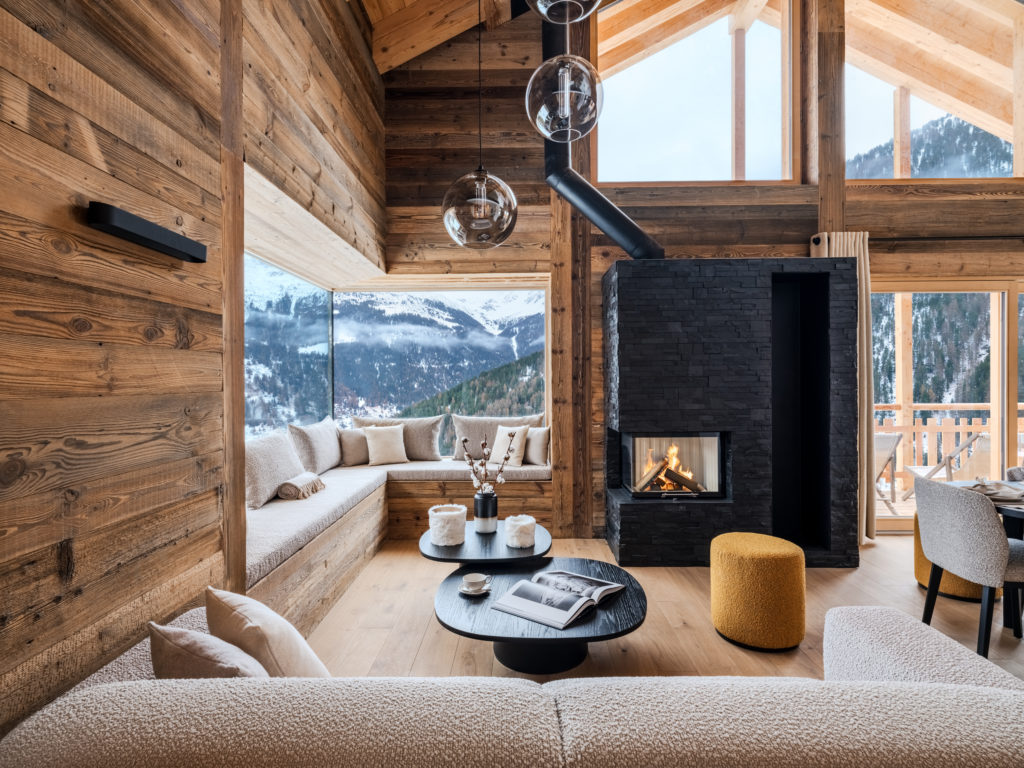
The living room is the most emblematic space in the chalet. It embodies conviviality, relaxation and human warmth.
The key to a successful layout is :
- A central fireplace (open, closed or suspended);
- Large modular sofas in curly wool or velvet;
- Coffee tables in solid wood or rough stone;
- Thick carpets and dimmable lights.
Contemporary chalets sometimes incorporate double-height spaces where exposed beams become a strong architectural feature.
The kitchen: between tradition and modernity
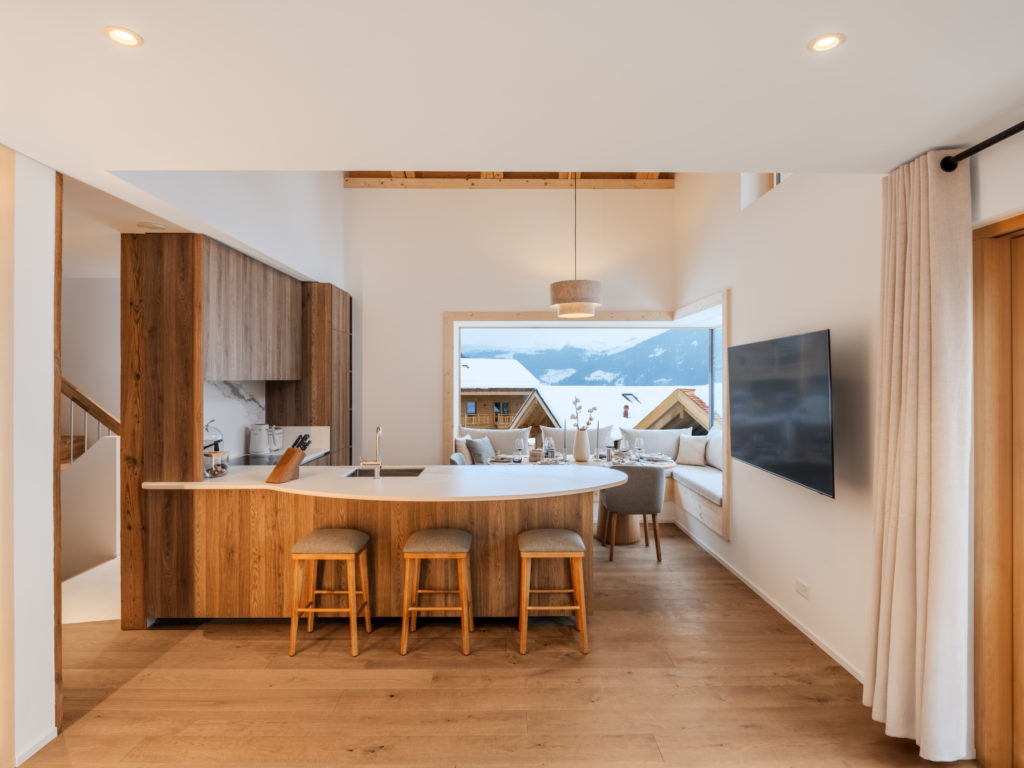
Chalet kitchens combine conviviality and practicality. Noble materials dominate: granite worktops, natural wood furniture, stone splashbacks. A central island becomes both a preparation area and an informal dining table.
Kitchens that open onto the living room allow you to keep the spirit of sharing alive, while making the most of the view outside.
The rooms: cocoons at altitude
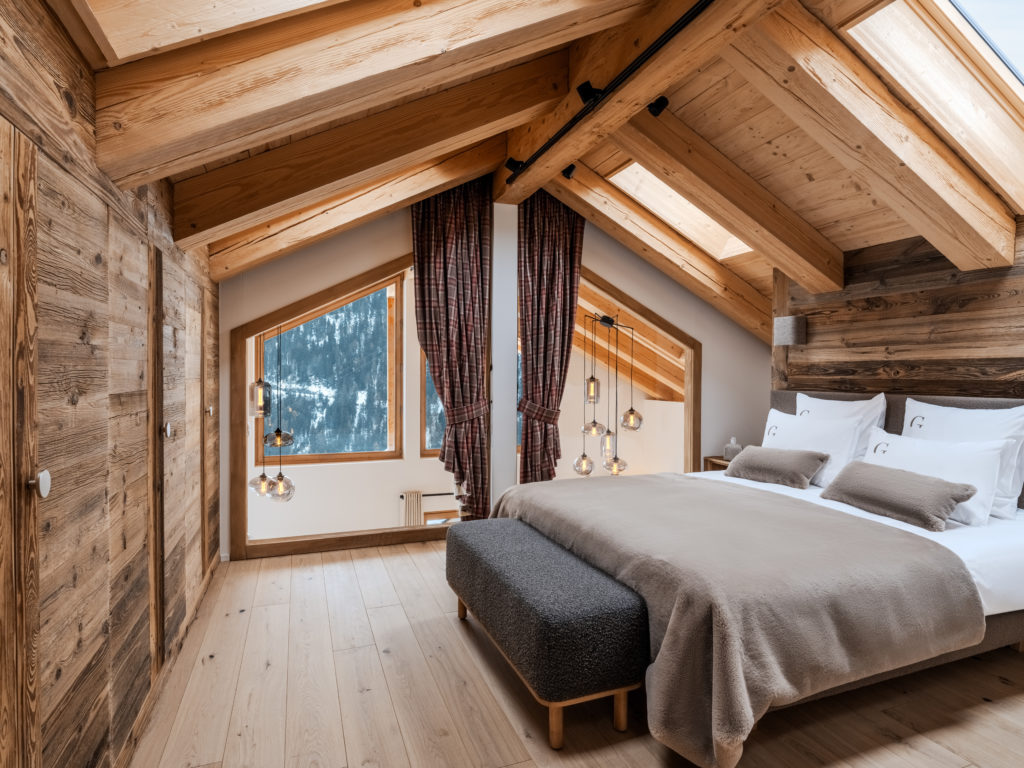
The design of the chalet rooms is based on a feeling of intimacy.
Wood panelling, natural textiles (wool, linen, cashmere), textures and soft lighting create a cosy atmosphere.
The upholstered headboards, distressed wood panels and faux fur plaids are reminiscent of the most prestigious Swiss lodges.
Some master suites open onto a balcony, a private hammam or a bathroom with a view of the peaks.
Wellness areas: spa, sauna, indoor swimming pool
Contemporary chalets are no longer limited to traditional living spaces.
Owners are increasingly incorporating wellness areas:
- Indoor or infinity pool with views over the valley;
- Hammam and sauna in light-coloured wood;
- Sports hall with windows to the outside;
- Private massage or yoga room.
These features transform the chalet into a true sensory refuge, at the crossroads of hotel luxury and domestic comfort.
Outdoor landscaping: extending the life of your cottage in nature
Panoramic terraces and balconies
The mountains are as much about the outdoors as they are about the indoors.
Terraces in exotic wood, balconies in larch and glass railings extend the interior spaces.
It’s easy to find :
- A heated outdoor lounge for winter evenings;
- A dining table under a canopy;
- An outdoor jacuzzi with views of the snowy peaks.
Alpine garden and access to the landscape
The landscaping of a mountain chalet must respect the surrounding nature.
Local species (pine, juniper, rhododendron, alpine lavender) and natural stone paths are favoured.
Some owners go even further, with campfire areas, sheltered reading areas and even mountain vegetable gardens.
Interior design: between Alpine tradition and contemporary spirit
A balance between rusticity and modernity
The design of a modern mountain chalet is based on a controlled tension between rusticity and simplicity.
The decorators combine :
- from antique woodwork to minimalist furniture;
- from raw materials to top-of-the-range finishes;
- neutral tones (beige, taupe, anthracite) with a few dark or golden accents.
This duality creates an elegant, soothing and resolutely timeless atmosphere.
The colours and textures to choose
The Alpine world calls for a gentle approach:
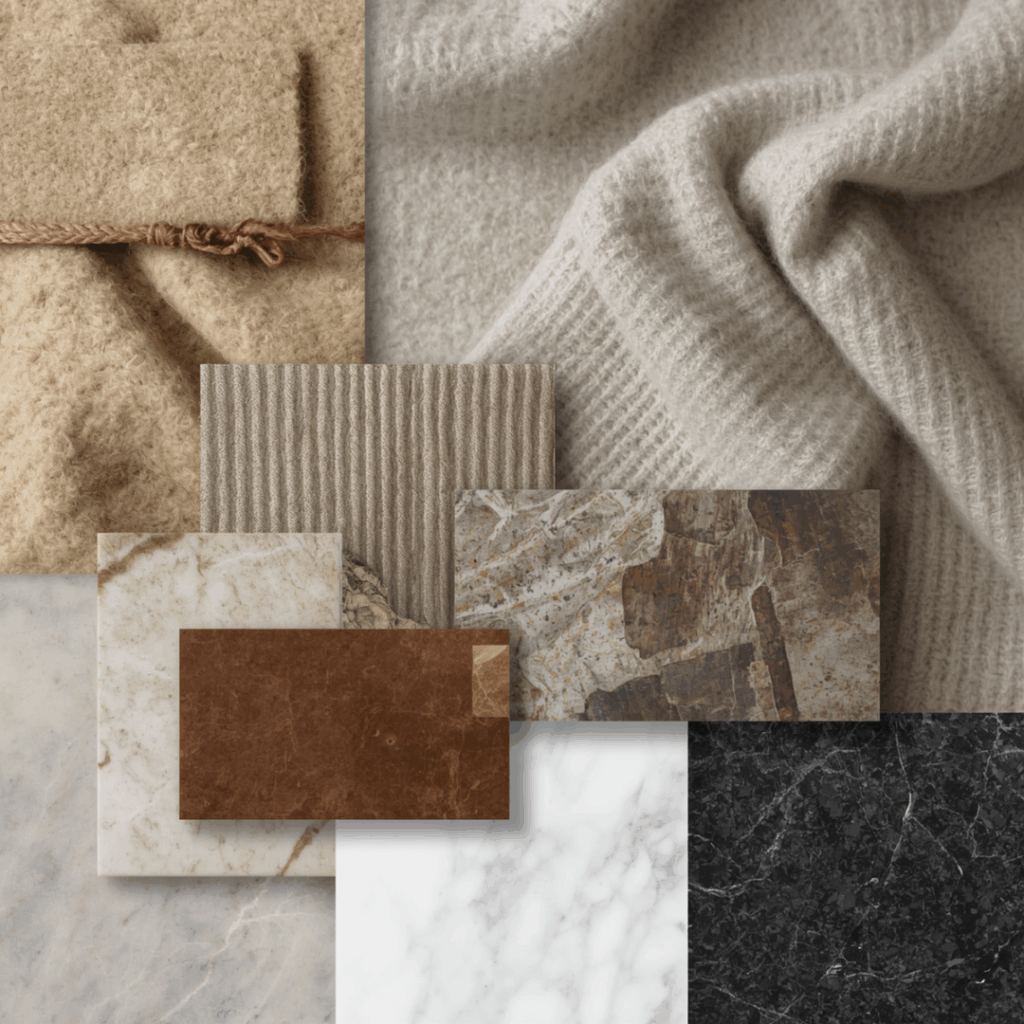
- Natural palette: beige, sand, stone grey, tobacco brown ;
- Noble textiles: curly wool, cashmere, washed linen, aged leather;
- Mineral touches: light marble, quartzite, black granite.
For specialist interior designers, the aim is to create subtle contrasts without breaking the overall harmony.
Objects and lighting: detail makes the difference
In a chalet, every detail counts.
A hand-crafted hanging lamp, a weathered mirror, a contemporary work of art or a brass lamp can transform a room.
Accompanying lighting – wall lamps, floor lamps, candles – all contribute to the warmth and charm of mountain refuges.
Current trends in mountain chalet design
- The eco-responsible chalet:
Use of local materials, natural insulation, intelligent energy management and solar panels. - Modular spaces:
Sliding partitions, multifunctional furniture, mezzanines for children or work areas. - Opening up to nature:
More and more chalets are adopting panoramic picture windows and suspended terraces. - The return of rough stone and burnt wood:
These materials lend a strong, resistant character to Alpine conditions. - Scandinavian and Japanese inspiration:
Minimalism, fluid lines, a Zen atmosphere and light colours to lighten the volumes.
Calling in an architect to redesign your chalet
A project to fit out a mountain chalet requires the expertise of an architect specialising in the alpine environment.
FGP Swiss & Alps works with architects and interior designers renowned for their ability to combine technology, aesthetics and emotion.
Their role is to optimise :
- internal traffic,
- thermal insulation,
aesthetic coherence, - and increase the value of your property.
Comprehensive support is provided to ensure that the project blends seamlessly into its natural environment, while complying with local constraints and current regulations.
Where to fit out a mountain chalet in Switzerland?
Switzerland offers an exceptional choice of Alpine villages and prestigious resorts where chalet development is at its peak.
Here are a few emblematic addresses:
- Crans-Montana: a sunny resort with views of the Valais Alps, popular for its modern chalets with spas and panoramic terraces.
- Verbier: one of the country’s most exclusive resorts, where Alpine tradition meets international luxury.
- Villars-sur-Ollon: the perfect blend of serenity, nature and lifestyle. Zermatt: an emblematic village dominated by the Matterhorn, ideal for lovers of authenticity and high mountains.
- Gstaad: the discreet elegance of Swiss chalets, combining traditional style with contemporary design.
These destinations embody the perfect balance between property prestige and quality of life, where every amenity becomes a signature.
Fitting out a chalet for pleasure… and for its heritage value
Investing in the refurbishment of a chalet also means preserving and enhancing an asset.
A well-thought-out interior increases the perceived value of the property, encourages upmarket holiday rentals and ensures that the property can be passed on to the next generation.
International buyers are increasingly looking for chalets where architecture, comfort and views are in perfect harmony.
FAQs on mountain chalet design
What are the most commonly used materials for chalet interiors?
Wood (spruce, oak, larch) and stone are the foundational materials. They can be combined with glass and metal for a contemporary finish.
How can you balance tradition and modernity in a chalet?
By preserving original features such as the timber frame and woodwork, while incorporating clean lines, glazed openings and understated materials.
What budget should you allow for a full chalet fit-out?
It depends on the surface area and level of finish. For a high-end chalet, budgets typically range from CHF 3,000 to CHF 6,000 per m², depending on the specifications.
What are the current trends in alpine interior design?
A return to natural materials, mineral tones, Scandinavian simplicity and the integration of wellness spaces.
Can FGP Swiss & Alps support an interior design project?
Yes. The agency works with partner architects and interior designers who can conceive bespoke projects from concept to turnkey delivery.
Discover similar articles
Interview with Forbes Global Properties Co-Founders, Jeff Hyland and Bonnie Stone Sellers

Luxury home automation: when your home becomes a lifestyle experience